
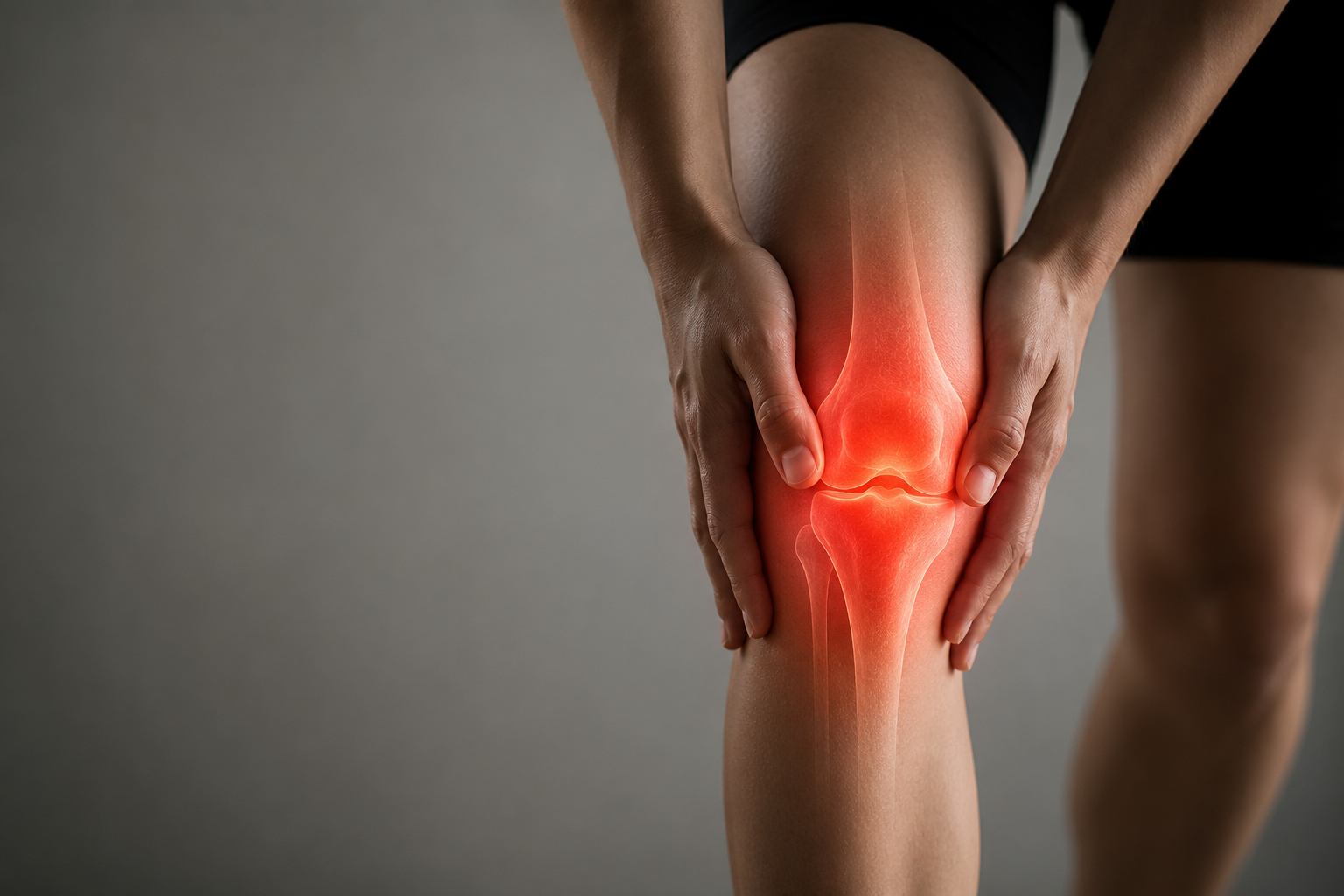
If you just had ACL surgery, or you’re about to, the question on your mind is probably simple: how long until I’m back to normal? The honest answer is that ACL recovery isn’t one number. It’s a series of phases, each with its own goals, and rushing through them is the single biggest reason people re-injure the same knee.
Here’s what the timeline actually looks like, phase by phase, and why the right physical therapy plan matters more than the calendar.
Quick Answer
Most people return to full activity 9 to 12 months after ACL reconstruction. Recovery happens in four general phases: protecting the knee and calming swelling (weeks 0–2), restoring motion and walking normally (weeks 2–8), rebuilding strength (months 2–4), and progressing to sport-specific training and return-to-play testing (months 4–12). Timing isn’t fixed. How fast you move through each phase depends on swelling, strength symmetry, and how consistently you’re doing rehab, not just how many weeks have passed.
Why “How Many Weeks Until I’m Better?” Is the Wrong Question
It’s tempting to count down to a single return date. But research on ACL reconstruction consistently shows the same thing: patients who return to sport based on a calendar date, instead of meeting strength and movement criteria, have a meaningfully higher re-tear rate. A knee that “feels fine” at 6 months can still have quadriceps strength 20-30% weaker than the uninjured side, a gap most people can’t feel but that shows up the moment they cut, pivot, or land wrong.
That’s why the timeline below is a guide, not a guarantee. The people who recover fastest and most safely are the ones getting consistent, hands-on, one-on-one PT, not five minutes with a therapist bouncing between three other patients.
Phase 1 (Weeks 0–2): Protect and Calm the Knee
The first two weeks are about controlling swelling, protecting the graft, and waking the quad muscle back up. Goals during this phase:
- Reduce swelling and pain
- Restore full knee extension (a knee that heals “bent” causes problems for the rest of recovery)
- Reactivate the quadriceps, which shuts off almost immediately after knee surgery
- Progress from crutches to walking normally as swelling and control allow
This is also where blood flow restriction (BFR) training becomes valuable. BFR lets you load the muscle and trigger a real strength response using very light resistance, which means you can start fighting quad atrophy in week one or two, well before the graft is ready for heavier loading. It’s one of the more effective tools available for this early window, and it’s a service Amplify offers on-site as part of PT sessions.
Phase 2 (Weeks 2–8): Regain Motion and Control
Once swelling is under control, the focus shifts to getting full range of motion back and re-teaching the leg to move correctly. Expect:
- Full knee flexion and extension restored
- Normal, pain-free walking gait without a limp
- Balance and proprioception work (your knee’s sense of where it is in space, which surgery temporarily disrupts)
- Stationary biking and light closed-chain strengthening
This is typically the phase where people see the fastest visible progress, which can create a false sense of “I’m basically done.” You’re not: the graft is still maturing internally and won’t reach its strongest point for several more months.
Phase 3 (Months 2–4): Rebuild Real Strength
This is the strength-building core of ACL rehab. Sessions shift toward:
- Progressive resistance training for the quad, hamstring, and hip
- Light jogging and treadmill work, introduced gradually
- Single-leg strength and stability work
- Continued BFR training to keep building strength without overloading the healing graft
By the end of this phase, most people are walking, biking, and doing basic strength work with no pain, but strength symmetry between the surgical and non-surgical leg is still the limiting factor, and it’s the single best predictor of how the rest of recovery goes.
Phase 4 (Months 4–8): Sport-Specific and Return-to-Activity Training
This phase looks different depending on your goals: getting back to golf, tennis, pickleball, running, or competitive sport all require different demands on the knee. Training progresses to:
- Running progressions and agility drills
- Cutting, pivoting, and deceleration mechanics
- Jump and landing mechanics (how you absorb force matters as much as how you generate it)
- Sport-specific movement patterns
Phase 5 (Months 9–12): Return to Sport
Full return to cutting, pivoting sports typically happens between 9 and 12 months post-surgery, not because of a rule, but because that’s how long it takes most people to genuinely meet the criteria: quad and hamstring strength within about 90-95% of the uninjured leg, symmetrical hop-test performance, and the confidence to actually trust the knee under load. Skipping ahead of these benchmarks is the leading cause of second ACL injuries, particularly in athletes under 25.
The Difference One-on-One PT Makes
ACL recovery is a long relationship with a physical therapist, often 9-12 months of consistent visits. That makes who is guiding your rehab, and how consistently they’re the one doing it, arguably more important than any single exercise.
At Amplify Health & Performance, every session is 1-on-1 with a Doctor of Physical Therapy, not a rotating tech, and never double-booked. That matters most during ACL recovery, because your PT needs to notice small things over months: a quad that’s lagging, a compensation pattern creeping into your gait, swelling that’s not resolving the way it should. Those details are easy to miss in a traditional clinic model where you’re passed between staff every visit.
Amplify’s private, fully-equipped gym also means your strength and return-to-sport training happens in the same space as your rehab, no referring out to a separate gym once you’re cleared for harder training.
Frequently Asked Questions
How long after ACL surgery can I walk without crutches?
Most people are off crutches somewhere between 1 and 3 weeks after surgery, depending on swelling, quad control, and surgeon protocol. Walking without a limp usually follows a few weeks after that.
Do I need a referral to start physical therapy after ACL surgery in Tennessee?
No. Tennessee is a direct-access state, meaning you can start physical therapy without a referral. Most surgeons will still recommend a specific post-op protocol, and Amplify works directly with your surgeon’s guidelines when applicable. Since Amplify is a cash-based practice, there’s no insurance authorization to wait on either, so you can typically start sooner.
Can I do “prehab” before ACL surgery?
Yes, and it’s one of the most underused steps in ACL recovery. Going into surgery with better strength, less swelling, and full range of motion consistently leads to a faster, smoother post-op recovery.
What is blood flow restriction (BFR) training, and how does it help ACL recovery?
BFR uses a pneumatic cuff to safely restrict blood flow to a limb during light exercise, tricking the muscle into a strength response typically reserved for heavy lifting. For ACL patients, it means real strength gains without loading the healing graft, especially valuable in the first few months when heavy resistance isn’t an option yet.
Is it normal for my knee to still feel unstable months after surgery?
Some instability or hesitation is common through the first several months as strength and confidence rebuild. Persistent instability, swelling, or a knee that gives way should be evaluated, since it can signal a strength deficit or movement compensation that needs to be addressed before progressing further.
Recovering From ACL Surgery? Don’t Guess Your Way Through It
A generic rehab plan or a rotating cast of therapists can get you through the motions of ACL recovery, but getting back to full strength, full confidence, and the activities you actually care about takes consistent, personalized care from someone who knows your knee.
At Amplify Health & Performance, you’ll work one-on-one with a Doctor of Physical Therapy from day one of your recovery through return to sport, with tools like blood flow restriction training and a private, fully-equipped gym to help you rebuild strength safely at every phase.
Start Your Intake and let’s build your recovery plan.

Leave A Comment